

When you receive an offer for your static caravan, the figure itself only tells part of the story. To understand how much you will actually receive, you also need to know whether there will be charges for selling, disconnecting or removing it from the park.
There is no standard removal price that applies to every caravan. A straightforward single-unit collection with easy access will cost less than moving a large twin-unit lodge from a difficult pitch. The park’s own charges can also make a significant difference.
The good news is that most of these costs can be identified in advance. By asking the right questions before accepting an offer, you can avoid finding unexpected deductions later.
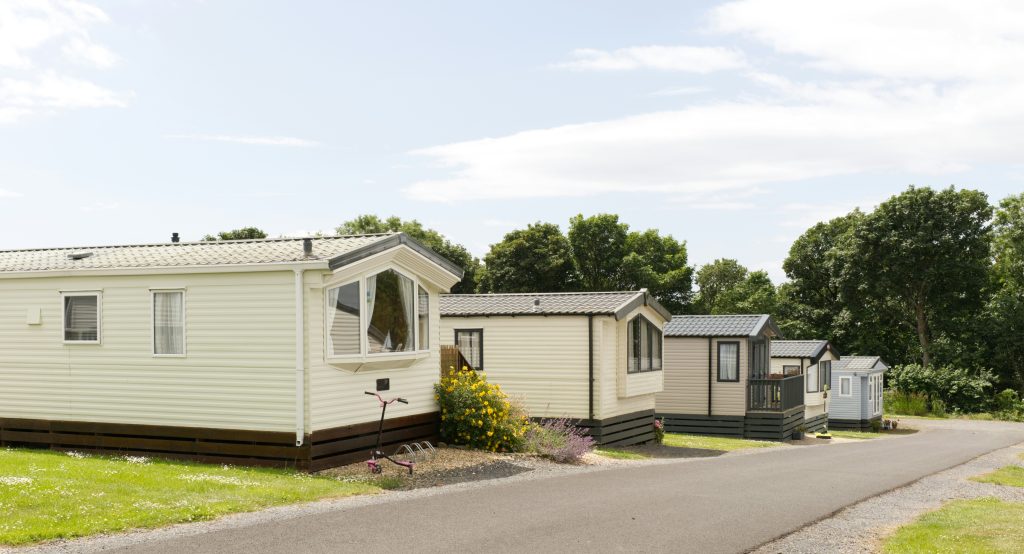
The likely costs depend heavily on what happens after the sale.
If a private buyer is purchasing the caravan on its existing pitch, there may be no transport charge. However, the park could charge a transfer fee and require safety checks before issuing the new owner with a pitch agreement.
If the caravan is being sold for removal, there may be charges for disconnecting it from services, preparing it for transport and moving it off the park.
A price for an on-pitch sale and an offer from an off-site caravan buyer therefore cannot always be compared directly. What matters is the net amount left after every agreed cost has been taken into account.
Most static caravans on holiday parks are connected to electricity, water, drainage and, in many cases, gas.
Those services must be disconnected safely before the caravan can be moved. The unit may then need to be lifted from its supports and moved from the pitch to a suitable collection point.
Your licence agreement should explain who is permitted to do this work. Some parks require their own staff or approved contractors to handle disconnection and de-siting, partly to protect underground services, roads and surrounding caravans.
Charges vary, so ask the park for a written, itemised quotation. It should make clear what is included and whether VAT will be added.
The NCC’s model agreement says park removal charges should be reasonable and based on the time spent and work carried out. Its model terms also allow an owner to provide a comparable quotation from a suitably qualified and insured contractor within a specified period.
Your agreement may differ, but obtaining an independent quotation can still help you judge whether the park’s price is reasonable.
Decking is one of the most easily overlooked parts of a caravan removal.
A transporter generally cannot lift or tow the unit while it is enclosed by timber or UPVC decking. Skirting, steps, verandas, storage boxes and other structures may also need to be removed first.
Whether those items belong to you and what must happen to them should be covered by your park agreement. You may be allowed to sell them separately, dismantle them or leave them for an incoming owner. In other cases, the pitch must be cleared completely.
The condition and construction of the decking will affect the price. A small set of steps is very different from a large wraparound structure with balustrades and secured foundations.
Do not assume decking removal is included in a general de-siting quote. Ask for it to be shown as a separate item.
Moving a static caravan requires specialist equipment and an experienced, properly insured operator. It is not the same as towing a touring caravan.
The transport price will be affected by:
Current advertised starting prices from specialist UK transport companies are around £700–£950 for some simpler movements. Costs can rise into several thousand pounds for longer journeys, difficult access or larger twin units.
Those figures are starting points rather than a reliable quote for your caravan. A low advertised transport price may not include de-siting, utility work, escorts, lifting equipment, VAT or delivery-site costs.
The transporter will usually need the caravan’s dimensions, its exact location and clear photographs before giving an accurate price.
Even a relatively short journey can become expensive if the caravan is difficult to reach.
A pitch surrounded by other units may require careful manoeuvring before the caravan reaches the park road. Soft ground, steep gradients, narrow entrances and overhanging trees can all add time or require extra machinery.
The caravan may also have been on the pitch for many years. Its tyres or running gear might no longer be suitable for moving it through the park, even though the unit will eventually be carried on a low-loader.
In more complicated cases, a tractor, winch or crane may be needed. Wider caravans can also require route planning, notifications or escort vehicles once they reach public roads.
Sending accurate photographs at the quotation stage is much better than discovering an access problem on collection day.
If the caravan is sold privately and remains on its existing pitch, the park may charge a transfer fee rather than removal costs.
The amount should be set out in your agreement. It is often calculated as a percentage of the agreed selling price, although the rate varies between holiday parks.
Remember that the statutory commission rules applying to residential park homes do not automatically apply to holiday caravans. For a caravan used on a holiday park, check the transfer fee written into your own licence agreement.
There may also be costs for gas or electrical safety inspections before the new owner is accepted.
Before the sale completes, check whether you owe anything to the park or a finance provider.
Possible balances include unpaid pitch fees, metered electricity, gas charges or agreed maintenance costs. If the caravan was purchased using finance, the remaining balance may need to be settled directly with the lender.
There can also be storage charges if your pitch agreement ends but the caravan is not collected within the required period.
Ask for an up-to-date statement from the park and a settlement figure from the lender. This allows you to calculate the true amount you will receive instead of relying on the headline sale price.
You should also check whether any pitch fees paid in advance are refundable. The answer will depend on your agreement and when notice is given.
In a private off-site sale, the seller and buyer need to agree who is responsible for each stage. The buyer might arrange the road transport while the seller pays the park’s disconnection and de-siting charges. Another buyer may make an offer that includes collection.
Whatever arrangement you choose, get it in writing. Confirm who is paying for the park’s work, transport, decking removal and any unexpected access costs.
Sell My Static states that collection is included in its offer, with no separate collection or administration fee. That can make the amount you will receive easier to understand.
However, you should still check whether the park will charge you directly for any work it insists on carrying out. Free collection by the buyer does not necessarily cancel sums already due under your park agreement.
Start with the agreed selling price and request a written figure for every potential deduction.
For an off-site sale, check:
For an on-pitch sale, replace the transport-related costs with the park’s transfer fee and any required safety certificates.
You can then compare offers on a like-for-like basis. A slightly lower offer that includes professional nationwide collection may leave you with more than a higher private offer once transport and coordination are taken into account.
Sell My Static offers free valuations for static caravans across the UK. We buy different makes, models and conditions, and aim to provide an offer within 24 hours once we have the information needed.
If you accept the offer, we arrange and cover collection from your current location. There are no separate collection or administration fees deducted from the agreed price, and payment is made securely once the required checks and collection have been completed.
To get started, send us the make, model, year, size and location of your caravan, along with a few recent photographs. We can then review the details and provide a no-obligation valuation.