

Selling a static caravan can feel a bit overwhelming if you’ve never done it before.
You might not know what it’s worth, where to advertise it, what details buyers need, or how long the process should take. The good news is that a few simple steps can make a big difference.
If you want to attract more serious enquiries and avoid your caravan sitting unsold for months, here are seven practical tips to help you sell your static caravan faster.
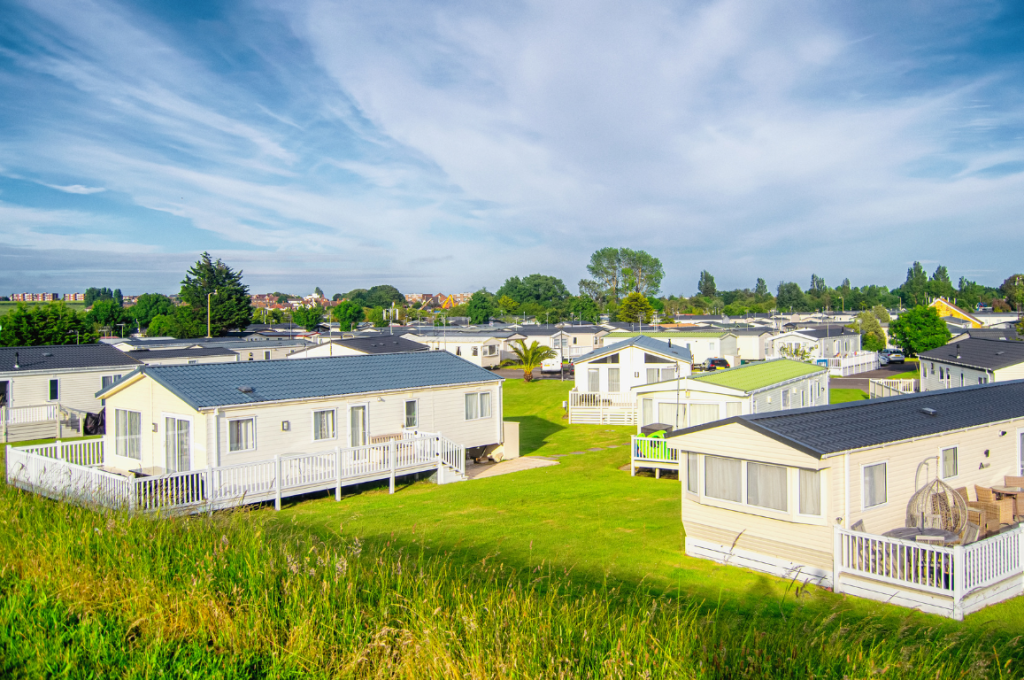
Price is usually the biggest factor.
Everyone wants to get the best possible price for their caravan, and that’s completely understandable. But if the price is too high, buyers will simply move on to something else.
A lot of owners base the price on what they originally paid, but the market doesn’t really work like that. Static caravans depreciate over time, and the value depends on things like age, condition, location, pitch, site fees and demand.
Before listing your caravan, look at similar models for sale, but don’t rely only on asking prices. Some caravans are advertised for far more than they’ll realistically sell for.
A fair, realistic price will usually generate more enquiries and put you in a stronger position to sell.
This sounds simple, but it makes a huge difference.
Before taking photos or arranging viewings, give the caravan a proper clean inside and out. Open the windows, let some fresh air in, clear away personal items, wipe down the kitchen and bathroom, hoover throughout, and make sure the living space feels bright and welcoming.
Buyers are trying to imagine themselves using the caravan. If it feels cluttered, dark or unloved, that can put them off before they’ve even asked a question.
You don’t need to make it look like a show home, but it should look cared for.
Photos are one of the most important parts of selling a static caravan.
Most buyers will decide whether to enquire based on the photos first. If the images are dark, blurry or only show a couple of angles, you’ll lose interest straight away.
Try to take photos during the day when there is plenty of natural light. Show every main area clearly, including:
Don’t try to hide obvious issues. It’s better to be upfront than waste time with buyers who later feel misled.
Good photos don’t need to be professional, but they do need to be clear, honest and useful.
Serious buyers will ask questions. The more information you have ready, the easier it is to move things forward.
Before advertising, try to gather details such as:
If you don’t know something, that’s fine, but try to find out before the enquiries start coming in.
When a seller can answer questions quickly and clearly, buyers feel more confident.
It can be tempting to gloss over problems, but honesty is always better in the long run.
If there is a bit of wear and tear, say so. If something needs fixing, mention it. If the caravan has been well looked after, explain what’s been done.
Most buyers don’t expect a used static caravan to be perfect, but they do expect the description to be accurate.
Being honest saves time, avoids awkward viewings, and helps build trust with genuine buyers.
Every caravan has something that makes it appealing. Make sure buyers can spot it quickly.
That could be:
Don’t assume buyers will notice everything from the photos. Mention the best features clearly in the listing.
For example, instead of just saying “static caravan for sale”, you might say:
“Two-bedroom static caravan with decking, central heating and double glazing on a quiet pitch close to park facilities.”
That gives people a much better reason to enquire.
When someone is looking for a static caravan, they’ll often contact more than one seller.
If you take days to respond, they may have already arranged a viewing somewhere else. Quick replies can make a real difference, especially if the buyer is ready to move.
You don’t need to be available 24/7, but try to reply as soon as you reasonably can. Answer their questions clearly, offer more photos if needed, and be straightforward about next steps.
A buyer who gets a helpful response is much more likely to stay interested.
Before you get too far into the process, speak to the park and understand their rules around selling.
Some parks allow private sales, some require the sale to go through them, and others charge transfer fees or commission. There may also be age limits or approval checks for new owners.
Knowing this upfront avoids problems later and means you can give buyers accurate information.
Selling a static caravan doesn’t have to be complicated, but preparation matters.
A realistic price, good photos, clear information and honest communication will put you ahead of many other sellers. The easier you make it for a buyer to understand what’s included and what happens next, the better your chances of selling quickly.
If you’re thinking about selling your static caravan and want some straightforward advice, Sell My Static can help.
We can give you a clearer idea of value, explain your options and help you move forward without the usual hassle.